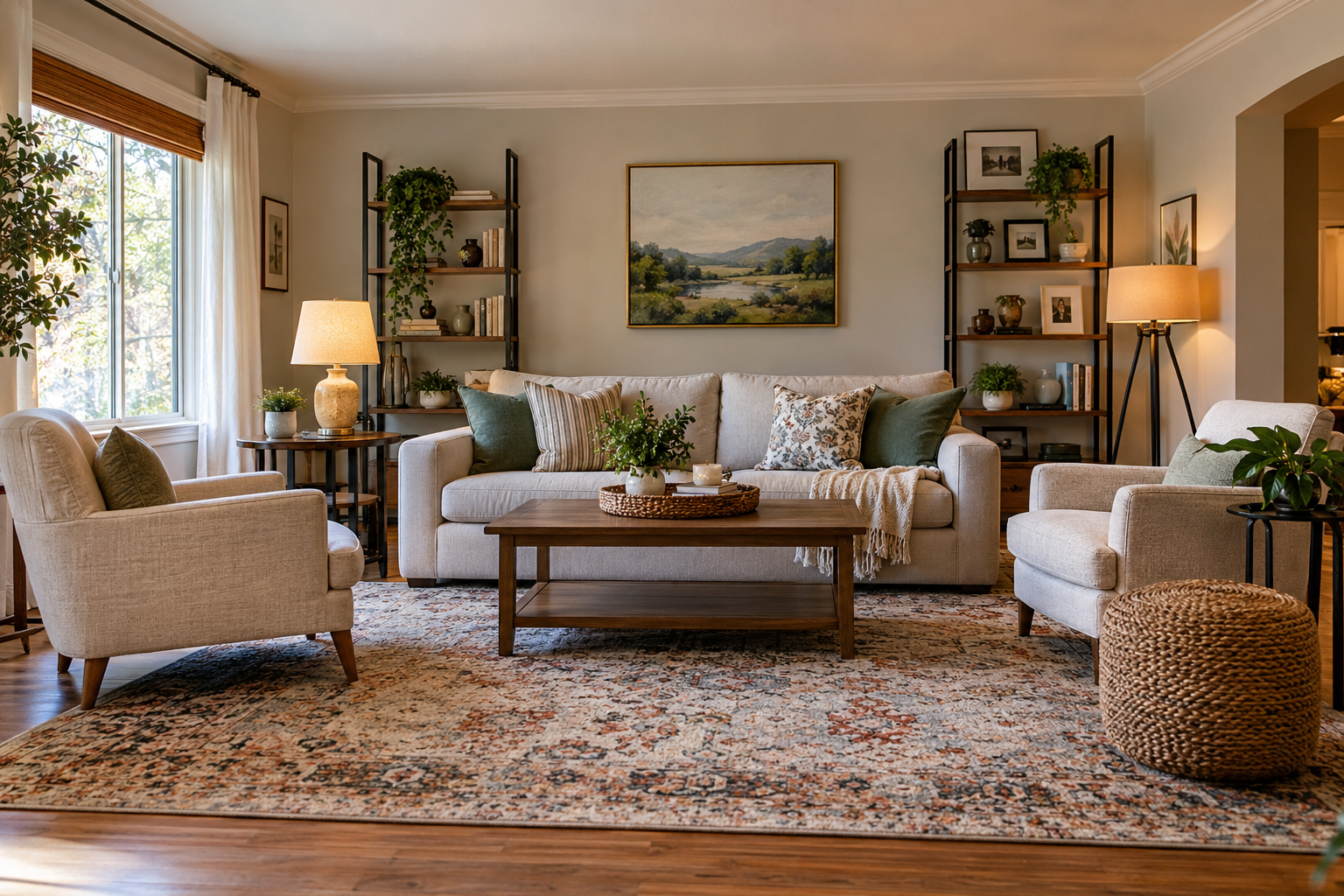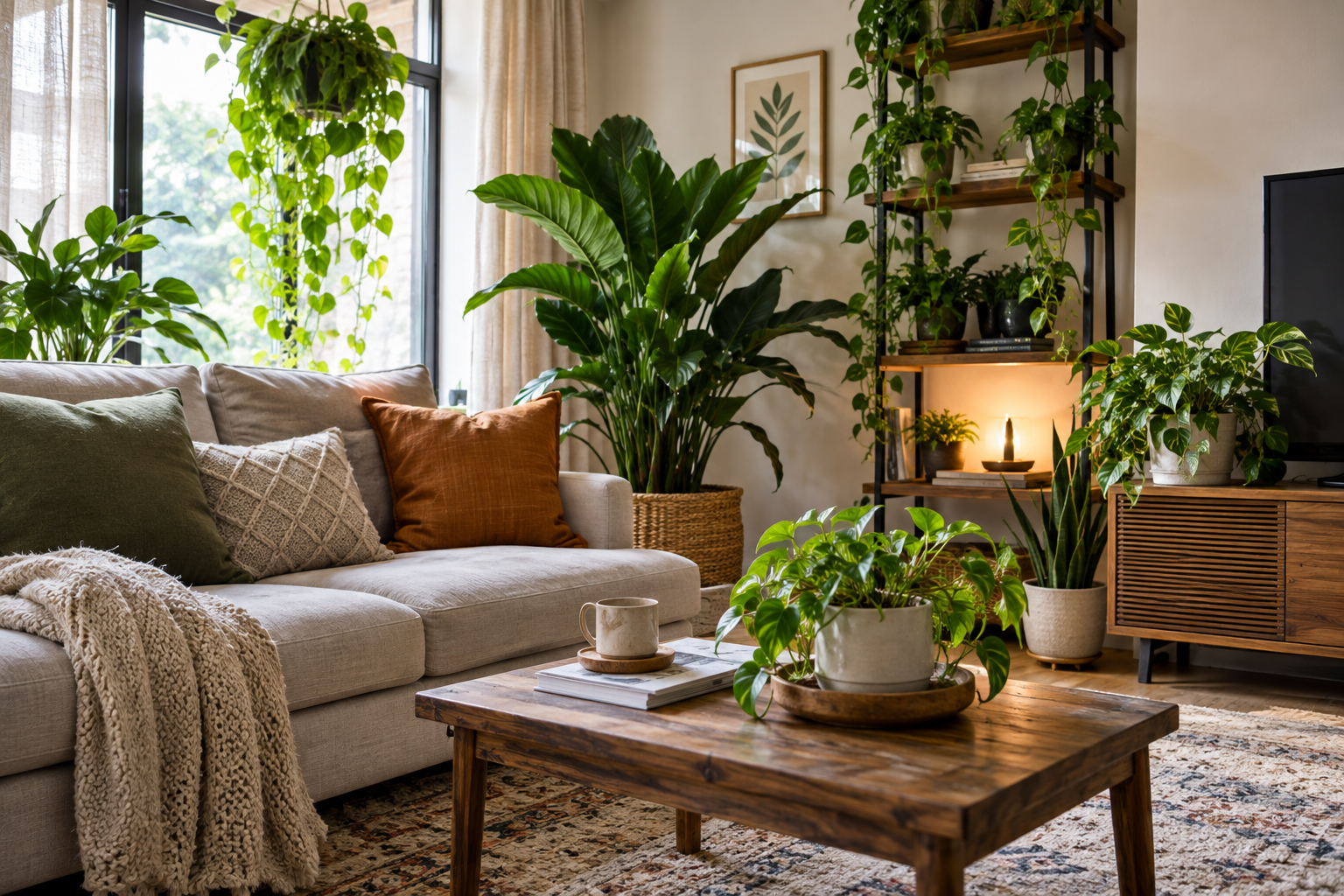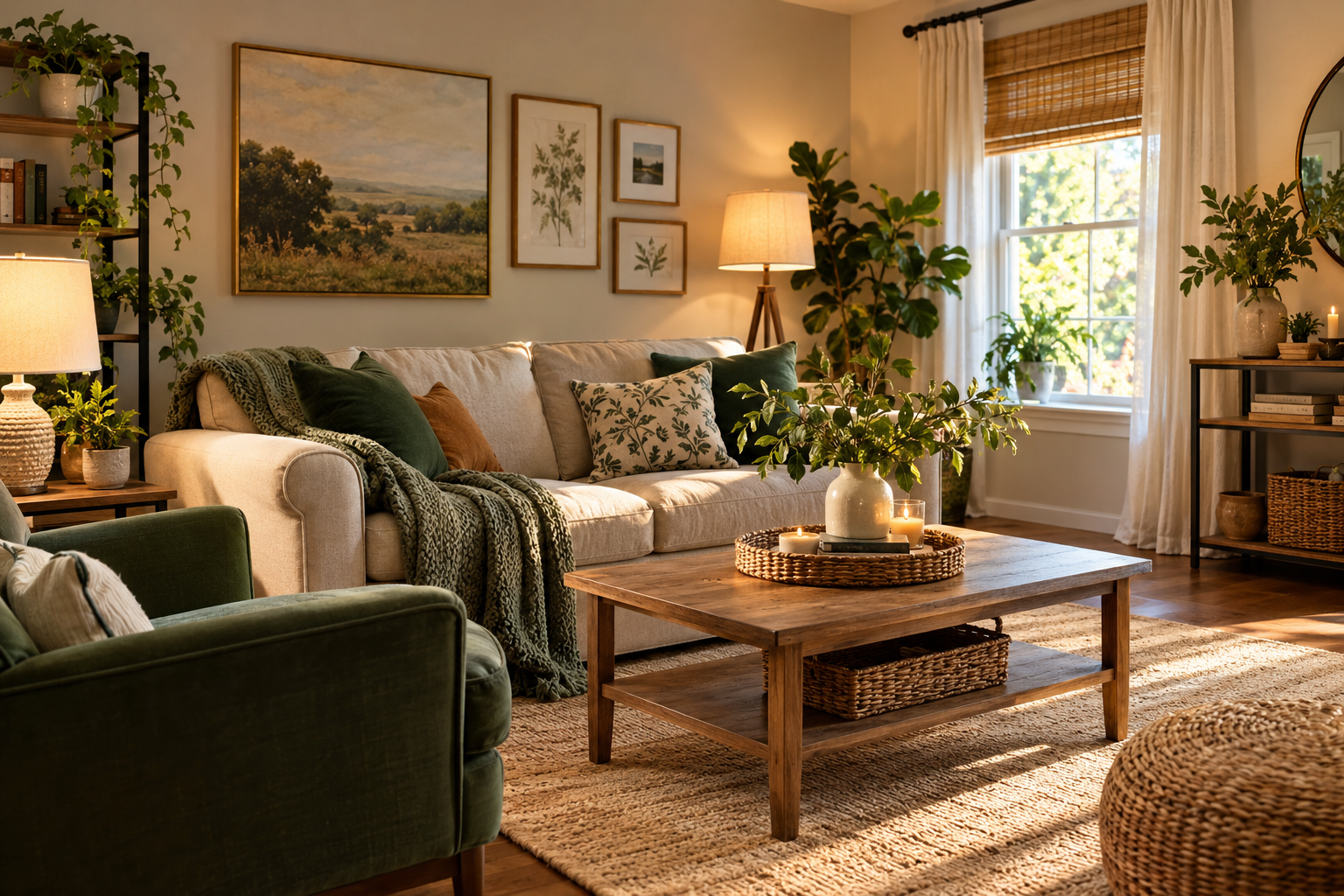
Refreshing a room does not always mean buying a new sofa, replacing a bed, or spending a large amount of money on expensive furniture. In fact, some of the most noticeable changes can come from simple adjustments that make the room feel cleaner, brighter, warmer, and more organized.
Whenever I read about interior decoration, one idea appears again and again. A room usually feels tired not because the furniture is old, but because the surroundings have remained unchanged for too long. The same layout, the same cushions, the same wall arrangement, and the same lighting can make even a beautiful room feel dull after some time.
The good news is that there are many simple ways to refresh a room without replacing furniture. You can change the atmosphere by rearranging what you already own, introducing new colors, improving lighting, organizing surfaces, and adding a few carefully selected decorative details.
These ideas can work in a living room, bedroom, dining area, home office, or almost any other space in the house.
Start by Cleaning the Room Properly
Before thinking about decoration, I always believe it is worth giving the room a proper cleaning.
Dust can slowly collect on shelves, furniture, lamps, curtain rods, picture frames, and corners. Because this happens gradually, we may not notice how much it affects the overall appearance of the room.
Start by removing unnecessary objects from surfaces. Dust the furniture, clean the windows, vacuum or mop the floor, and wipe down mirrors.
Pay attention to areas that are usually ignored, such as behind furniture, underneath tables, and around skirting boards.
A clean room instantly feels fresher.
Sometimes the improvement is so noticeable that you may realize the room does not need major decoration at all.
Cleaning also gives you the opportunity to look at the room with fresh eyes and decide what really needs to change.
Rearrange the Furniture
One of the easiest ways to refresh a room without replacing furniture is simply to move the furniture around.
We often place furniture in one position and leave it there for years. After a while, the room begins to feel predictable.
Try moving the sofa to a different wall. Change the angle of an armchair. Move a side table next to another seat. In a bedroom, you may be able to change the position of the bed or reading chair.
The purpose is not to move everything randomly. Instead, think about how the room is used.
Ask yourself whether the current layout allows people to move comfortably. Consider whether the furniture encourages conversation or blocks natural light.
Even a small adjustment can make the room feel completely different.
I have found that changing the layout can also reveal space that was previously hidden or poorly used.
Remove Unnecessary Items
A room can quickly lose its freshness when too many items are displayed at the same time.
Decorative objects, books, trays, cables, boxes, toys, and everyday items can slowly build up.
Instead of adding more decoration, try removing some things first.
Look at shelves, coffee tables, side tables, and window sills. Decide which items you really enjoy seeing and which ones are simply taking up space.
Removing unnecessary objects allows the furniture and decoration you already own to stand out more clearly.
This does not mean the room needs to look empty.
The idea is to create balance.
A few carefully arranged items often look more attractive than a large number of objects placed together without a clear purpose.
Change the Cushion Covers
Cushions are one of the simplest tools for changing the appearance of a room.
You do not need to replace the cushions themselves. Simply changing the covers can introduce new colors, textures, and patterns.
For example, neutral furniture can be refreshed with deep green, warm beige, soft blue, or earthy brown cushion covers.
During warmer months, lighter fabrics and brighter colors can make the room feel airy. During cooler months, richer colors and heavier textures can create a warmer atmosphere.
Try combining plain cushions with one or two patterned designs.
You can also mix different textures such as cotton, linen, velvet, or woven fabric.
Because cushion covers are usually affordable and easy to store, they provide a practical way to change the look of a room several times during the year.
Add a Throw or Blanket
A simple throw can make a sofa, armchair, or bed look more inviting.
The way the fabric is placed can also affect the overall style.
You can fold it neatly over the arm of a sofa, place it across the back of a chair, or allow it to fall naturally across one corner.
Choose a texture that contrasts slightly with the furniture.
For example, a soft knitted throw can make a simple fabric sofa feel warmer and more comfortable.
In a bedroom, a folded blanket across the lower part of the bed can add another layer of color.
This is one of those small changes that can make a room feel more thoughtfully designed.
Refresh the Walls
Walls have a major influence on how a room feels.
You do not always need to repaint the entire room. Sometimes simply changing what is displayed on the walls can make a big difference.
Move existing artwork to another wall. Rearrange framed photographs. Replace an old print with something more suitable for the current style of the room.
You can also create a small gallery wall using frames you already own.
If the walls feel too crowded, consider removing some artwork.
A single larger picture can sometimes look better than several smaller pieces.
Mirrors can also refresh walls while making the room feel brighter and more open.
The main goal is to make the wall arrangement feel intentional rather than crowded.
Introduce Plants
Plants are one of my favorite ways to refresh a room because they add color, shape, and natural life without requiring major changes.
A plant can fill an empty corner, soften the appearance of a shelf, or make a desk feel more welcoming.
Large plants can work well beside sofas or near windows, while smaller plants can be placed on tables or shelves.
If you prefer low maintenance options, choose plants that suit the amount of natural light available in the room.
Artificial plants can also be used when necessary, although good quality realistic ones usually look better than very shiny or unnatural versions.
Even a simple vase with fresh leaves can create a refreshing effect.

Improve the Lighting
Lighting can completely change the mood of a room.
A space may contain attractive furniture and decoration but still feel uncomfortable if the lighting is too harsh or too weak.
Instead of relying only on the main ceiling light, try using several sources of light.
A table lamp can create a warm atmosphere beside a sofa. A floor lamp can brighten a dark corner. A small lamp on a console table can make the room feel softer in the evening.
The type of bulb also matters.
Warm light often creates a relaxing atmosphere in living rooms and bedrooms, while brighter light may be useful in workspaces.
You can also take advantage of natural light by keeping windows clear and using curtains that allow enough daylight into the room.
Good lighting helps existing furniture look more attractive.
Change the Curtains
Curtains cover a large visual area, so even a small change can have a noticeable effect.
You do not necessarily need expensive curtains.
Sometimes simply changing from heavy dark curtains to lighter fabric can make a room feel brighter.
If you already own more than one set, rotate them according to the season.
You can also improve the look of existing curtains by adjusting how they hang.
Curtains that reach close to the floor often create a more finished appearance.
Make sure the curtain rod is positioned properly and that the fabric is not gathered unevenly.
Clean curtains also make a surprising difference, especially if they have collected dust over time.
Use Rugs Differently
A rug can help define an area and bring different elements of the room together.
If you already have a rug, try changing its position.
In a living room, it may look better when the front legs of the sofa and chairs sit on the rug.
In a bedroom, moving the rug slightly can make the bed area feel more balanced.
If you have rugs in different rooms, you could even swap them temporarily.
This is an easy way to create a different look without purchasing anything new.
Make sure the rug works with the size and shape of the room.
A rug that is too small can sometimes make the furniture feel disconnected.
Rearrange Books and Shelves
Shelves offer many opportunities for simple decoration.
Instead of leaving books and objects in the same arrangement, take everything off the shelf and start again.
Arrange some books vertically and place others horizontally.
Use small decorative objects, framed photographs, or plants to break up large rows of books.
Leave some empty space as well.
Empty space allows the eye to rest and prevents shelves from feeling crowded.
You can also organize books by size, subject, or even color if you like a more decorative appearance.
The goal is to make the shelves look natural while still feeling organized.
Update the Coffee Table
The coffee table is often located near the center of the living room, which means its appearance can influence the whole space.
Start by removing unnecessary items.
Then add just a few simple objects.
A small tray, a book, a candle, or a vase can be enough.
Try to use objects of different heights.
For example, a stack of books can be paired with a taller vase and a small decorative object.
Avoid covering the entire surface.
The table should still remain practical for everyday use.
A clean and simple coffee table arrangement can make the whole room feel more polished.
Add a Mirror
Mirrors are especially useful when you want to refresh a small or dark room.
They reflect light and can make the space appear more open.
Place a mirror where it can reflect natural light from a window if possible.
A mirror can also be used above a console table, dresser, or fireplace.
If you already own a mirror, consider moving it to another room or position.
Sometimes changing the location can make it feel like a completely new decorative piece.
Mirrors are most effective when they reflect something attractive, such as a plant, artwork, or bright part of the room.
Bring in Natural Materials
Natural materials can make a room feel warmer and more comfortable.
You can introduce them through small accessories rather than furniture.
Wooden trays, woven baskets, ceramic bowls, linen fabrics, and natural fiber rugs can add texture.
These materials work particularly well in rooms that contain many smooth or modern surfaces.
A woven basket can also provide practical storage for blankets, magazines, or children’s toys.
This combination of decoration and storage helps the room stay organized.
Change Small Decorative Accessories
Sometimes a room needs only a few small changes.
You can change lampshades, candles, vases, frames, or table accessories.
The important thing is not to buy too many new objects at once.
Choose pieces that work well with the colors already present in the room.
If your furniture is neutral, accessories can provide stronger color.
If the furniture already contains bold colors or patterns, simpler accessories may create better balance.
You can also move accessories from one room to another.
A vase that feels ordinary in the dining room may look completely different on a bedroom dresser.
Use Baskets for Better Organization
Storage can improve the appearance of a room just as much as decoration.
Baskets are useful because they can hide everyday items while adding texture.
Use them for remote controls, magazines, blankets, toys, craft materials, or other small objects.
Choose baskets that suit the style of the room.
Natural woven baskets work well in relaxed and warm interiors, while simple fabric baskets may suit modern spaces.
Keeping everyday clutter contained can make the entire room feel calmer.
Refresh the Bed
In a bedroom, the bed is usually the largest visual feature.
You can refresh the entire room without replacing the bed by changing the way it is dressed.
Start with clean bedding.
Add a few pillows, a folded blanket, or a simple bedspread.
You do not need to use many decorative pillows.
Two or three well chosen cushions may be enough.
Choose colors that work with the curtains, walls, and existing furniture.
A neatly arranged bed immediately makes the bedroom feel more organized and comfortable.
Create a Focal Point
Every room benefits from having one area that naturally attracts attention.
The focal point might be a fireplace, artwork, a large mirror, a window, or even a beautifully arranged sofa.
Look around the room and decide what you want people to notice first.
Then arrange the furniture and decoration so that they support that feature.
For example, if the room has a beautiful window, avoid placing large furniture directly in front of it.
If artwork is the focal point, keep the surrounding wall relatively simple.
A clear focal point helps the room feel more organized and intentional.
Add Pleasant Scents
A room is experienced through more than appearance.
Scent can also influence how fresh and comfortable a room feels.
Open windows regularly to allow fresh air inside.
You can also use lightly scented candles, fresh flowers, or a gentle room fragrance.
Avoid using too many strong scents at the same time.
A subtle fragrance is usually more pleasant.
Keeping fabrics, rugs, and curtains clean also helps the room smell naturally fresh.
Use Color More Carefully
You do not need to repaint walls or replace furniture to introduce color.
Small decorative details can be enough.
Choose one or two accent colors and repeat them gently around the room.
For example, a soft green cushion can connect with a green plant and a small piece of artwork.
Repeating colors creates visual harmony.
Avoid using too many unrelated colors, especially in a small room.
A simple color palette often makes a room feel more peaceful and organized.
Give the Windows More Attention
Windows are sometimes overlooked when decorating a room.
Clean the glass so that more natural light can enter.
Keep the area around the window free from unnecessary objects.
If furniture blocks the window, consider moving it slightly.
You can also place a plant or a simple decorative object near the window.
Natural light makes colors look better and helps a room feel more cheerful.
Rotate Your Decoration
One useful habit is to avoid displaying every decorative item you own at the same time.
Store some objects and rotate them occasionally.
After a few months, bringing back an item that has been stored can make it feel new again.
This approach also reduces clutter.
You may have decorative pieces, cushions, throws, or artwork that can be changed with the seasons.
Rotation allows you to refresh the room regularly without constantly buying new things.
Pay Attention to Empty Corners
Empty corners can sometimes make a room feel unfinished.
However, this does not mean every corner needs to be filled.
If a corner feels awkward, consider adding a floor lamp, plant, small chair, basket, or narrow table.
Choose something practical if possible.
For example, a comfortable chair and lamp can create a simple reading corner.
The aim is to give the area a purpose without overcrowding it.
Keep Surfaces Simple
One of the easiest ways to make a room feel refreshed is to simplify visible surfaces.
Kitchen counters, dressers, coffee tables, desks, and side tables often collect unnecessary items.
Keep only the objects that are useful or attractive.
Use small containers or trays to organize everyday items.
When surfaces are clean and organized, furniture looks better and the room feels larger.
This is especially helpful in smaller homes.
Look at the Room from a New Angle
Sometimes it helps to stand at the entrance and look at the room as if you are seeing it for the first time.
Notice what catches your attention.
Is there too much clutter?
Does one side of the room feel heavier than the other?
Is a piece of furniture blocking movement?
You can also take a photograph of the room.
Interestingly, problems that are difficult to notice in person often become clearer in a photograph.
This can help you decide what to move, remove, or rearrange.
Avoid Changing Everything at Once
Refreshing a room does not need to happen in one day.
Make one or two changes and then live with them for a while.
You may discover that simply rearranging the furniture and changing the cushions is enough.
If you make too many changes at the same time, it can become difficult to understand what actually improved the room.
Small thoughtful changes usually create a more natural result.
Final Thoughts
There are many simple ways to refresh a room without replacing furniture. The most effective approach is often to work with what you already have.
Start by cleaning and removing clutter. Rearrange furniture, update cushions, improve lighting, introduce plants, refresh walls, and organize shelves. Small changes in color, texture, layout, and decoration can create a completely different atmosphere.
I have learned that a comfortable room is not necessarily filled with new or expensive things. It is usually a space where the furniture is arranged well, the surfaces are organized, the lighting feels pleasant, and the decoration reflects the people who live there.
Before buying new furniture, spend some time looking at the room carefully.
You may discover that the room does not need to be replaced.
It simply needs to be refreshed.