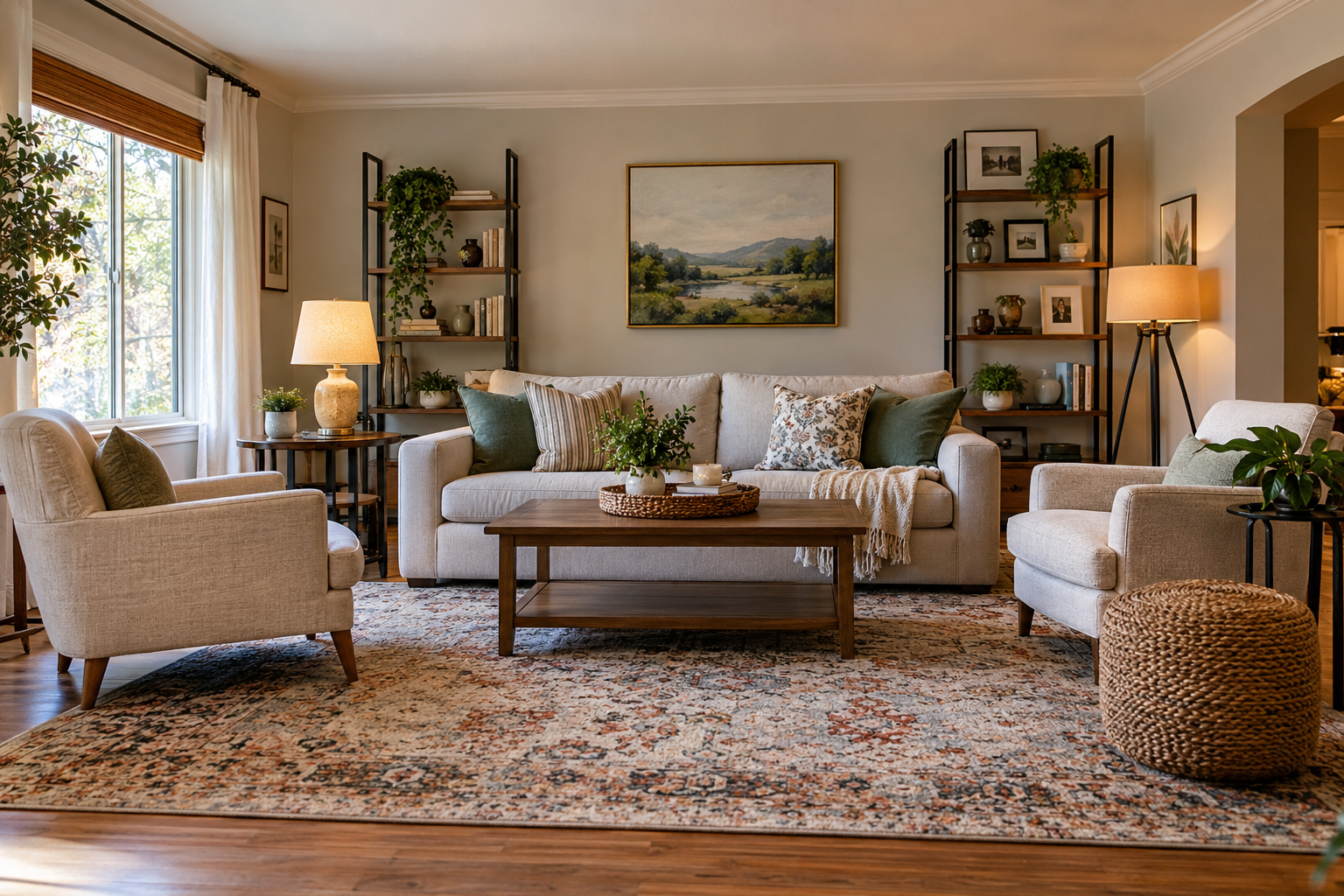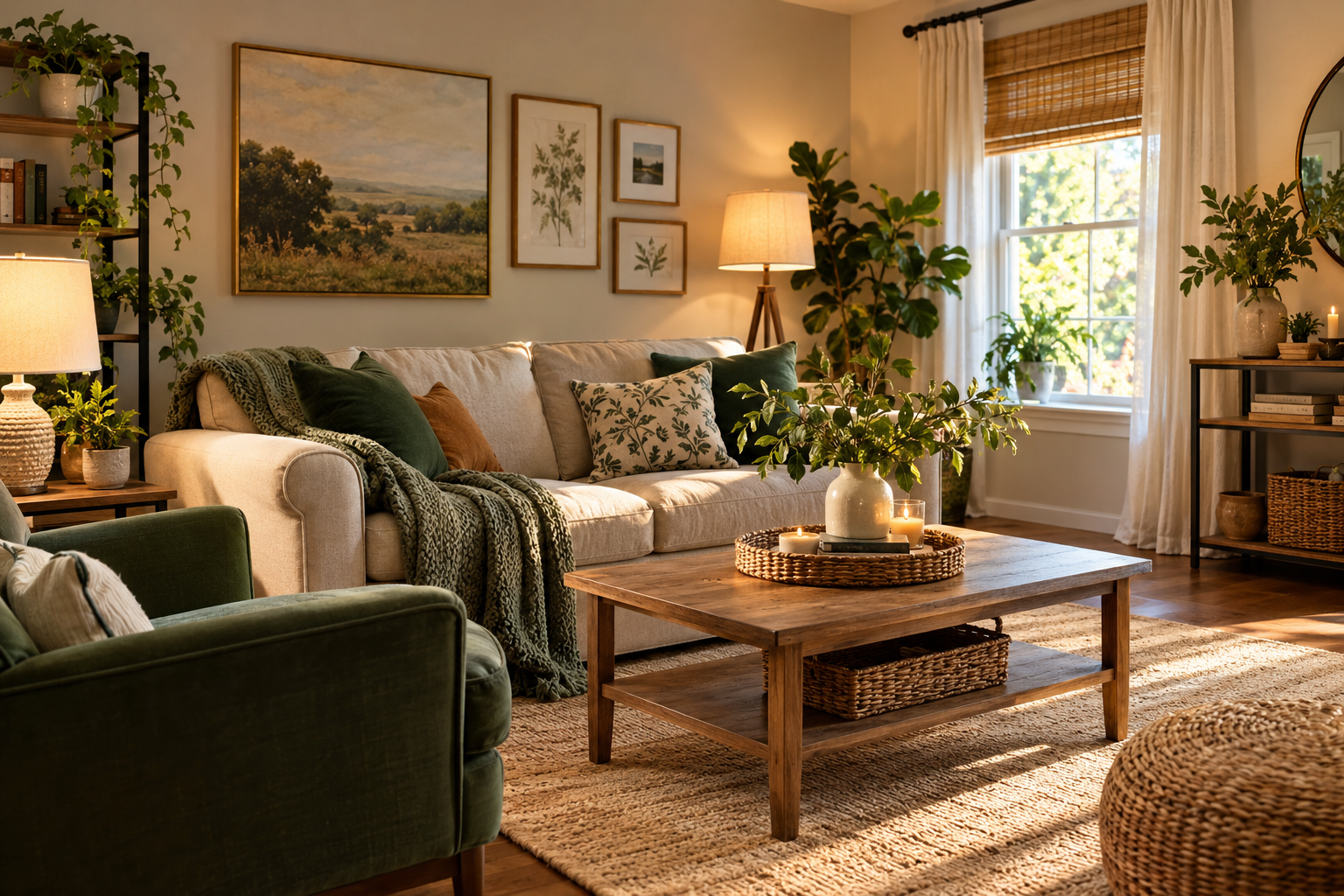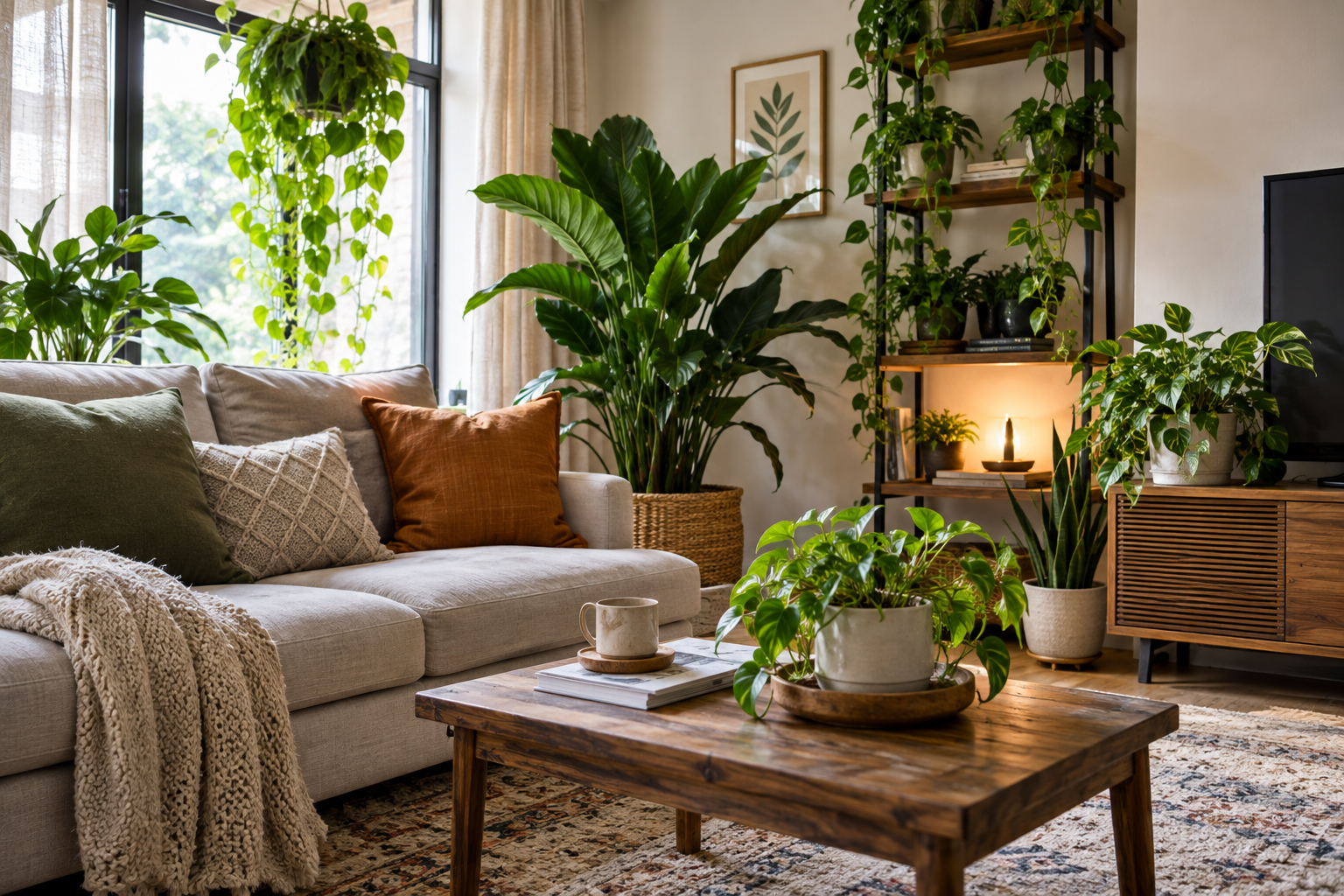
Indoor plants have become one of the easiest ways to make a home feel fresh, peaceful, and welcoming. They bring natural color into a room, soften hard surfaces, and help create a more comfortable atmosphere. The best part is that you do not need a large house or an expensive collection of plants to enjoy the effect. Even one carefully placed plant can change the appearance of a space.
I have always felt that home decoration looks more complete when there is some connection with nature. Furniture, curtains, rugs, and wall art can make a room attractive, but plants add something different. They bring life into the space. A green leaf beside a wooden table or a tall plant near a window can make a room feel warmer without requiring major changes.
Using indoor plants as part of home decor is also flexible. Plants work well with modern, traditional, minimal, rustic, and even luxurious interiors. You can use them in living rooms, bedrooms, kitchens, bathrooms, hallways, and home offices.
The key is to choose the right plants, place them carefully, and use containers that suit the style of the room.
Why Indoor Plants Work So Well in Home Decor
Indoor plants are useful because they naturally introduce color, shape, and texture. Most homes contain many straight lines from walls, tables, shelves, doors, and cabinets. Plants help soften these lines with curved leaves and natural forms.
Green is also one of the easiest colors to use in interior decoration. It works with white, cream, beige, brown, black, gray, and many brighter colors. This makes plants easy to introduce into rooms without worrying too much about matching them with existing furniture.
Plants can also make empty areas feel purposeful. A corner that looks unfinished may become attractive simply by adding a tall indoor plant. A plain shelf can feel more interesting when a small trailing plant is placed beside books or decorative objects.
This is why indoor plants are not only living things. They can also become an important part of the visual design of a room.
Start With the Light in Your Home
Before choosing plants for decoration, look at the natural light available in each room.
Some plants enjoy bright light near windows, while others can manage in lower light conditions. Choosing a plant only because it looks attractive can sometimes lead to disappointment if the room does not provide suitable conditions.
Observe your room during different times of the day.
A window that receives strong morning sunlight may suit different plants compared with a dark hallway. Some rooms receive bright indirect light for several hours, while others may remain shaded most of the day.
Understanding the available light allows you to choose plants that have a better chance of remaining healthy.
Healthy plants always look better as part of home decor than plants with dry or damaged leaves.
Use Large Plants to Fill Empty Corners
One of the easiest ways to decorate with indoor plants is to place a large plant in an empty corner.
Many rooms have awkward corners where furniture does not fit properly. Instead of leaving these areas empty, you can use a tall plant to add height and visual interest.
Plants with upright leaves or wide foliage can become natural focal points.
A large floor plant may look especially attractive beside a sofa, reading chair, television unit, or window.
Choose a pot that suits the colors and materials already present in the room. A simple ceramic pot can work beautifully in modern interiors, while woven baskets can create a softer and more relaxed feeling.
The plant should look like it belongs in the space rather than appearing as an afterthought.
Decorate Shelves With Small Plants
Shelves are excellent places for smaller indoor plants.
A bookshelf filled only with books can sometimes appear heavy. Adding a few small plants creates visual breaks and introduces natural color.
You can place small plants beside books, picture frames, candles, or decorative objects.
Trailing plants are especially useful on higher shelves because their leaves can hang gently downward. This creates movement and helps soften the sharp horizontal lines of the shelf.
Try not to fill every shelf with plants. Leaving some open space usually creates a cleaner and more balanced appearance.
A combination of books, plants, and simple decorative items often feels more natural than a shelf that is overcrowded.
Create a Plant Group
Instead of placing single plants around the entire room, you can create a small group of plants in one area.
Grouping three or four plants together can create a stronger decorative effect.
The plants do not need to be the same size. In fact, using different heights usually looks more interesting.
For example, you can place a tall plant at the back, a medium plant beside it, and a smaller plant in front.
You can also mix different leaf shapes.
One plant may have large round leaves, while another has thin upright leaves. This variety gives the arrangement more depth.
Try to keep the containers visually connected through similar colors, materials, or styles.

Use Plants on Side Tables
Small plants can easily decorate side tables, console tables, and coffee tables.
A small green plant beside a lamp can make a side table look more complete. Plants also work well beside books or simple decorative bowls.
For coffee tables, choose compact plants that do not block the view across the room.
Low plants are usually better than tall ones in the middle of a seating area.
A simple arrangement may include one small plant, a book, and a decorative object.
You do not need many items. A few carefully selected pieces can look more elegant than a crowded table.
Add Plants to the Bedroom
Indoor plants can create a calm and relaxing feeling in a bedroom.
You can place a plant near a window, on a bedside table, or on a dresser.
If the room has enough space, a larger plant in the corner can make the bedroom feel more connected with nature.
When choosing plants for a bedroom, consider how much care you are willing to provide.
Low maintenance plants may be more convenient for people who prefer simple routines.
The container is also important. Neutral ceramic pots often work well in bedrooms because they create a calm appearance.
Plants can look particularly attractive with natural materials such as wood, linen, cotton, and woven baskets.
Use Plants in the Kitchen
The kitchen may not be the first room people think about when decorating with plants, but it can be an excellent place for greenery.
Small plants can be placed on open shelves, window ledges, or unused sections of the counter.
Herbs can be especially useful because they can provide both decoration and practical value.
Small pots of mint, basil, or other kitchen herbs can create a fresh appearance while also being useful for cooking.
However, keep plants away from areas where they may be exposed to excessive heat or cooking oil.
Choose locations where they receive suitable light and are easy to water.
Add Greenery to the Bathroom
Some bathrooms can also benefit from indoor plants, especially if they have natural light.
Green plants look beautiful against white tiles, stone surfaces, and simple bathroom finishes.
A small plant can be placed near a sink, on a shelf, or beside a bathtub.
Larger bathrooms may have enough floor space for a taller plant.
Before choosing a bathroom plant, think about humidity and available light.
Some plants enjoy humid conditions, while others may not perform well.
If the bathroom has very little natural light, you may need to choose plants that tolerate lower light or place them in another room regularly.
Use Hanging Plants
Hanging plants are useful when floor and table space is limited.
They can be placed near windows, in corners, or above shelves.
Plants with trailing leaves create a soft and relaxed appearance as the stems grow downward.
Hanging plants are especially useful in small rooms because they use vertical space instead of valuable floor space.
Make sure the hanging container is properly secured.
You should also place it where watering is practical and where the plant will not interfere with people walking through the room.
A single hanging plant near a bright window can become a beautiful feature without making the room feel crowded.
Match Plant Pots With Your Interior Style
The plant itself is important, but the pot can have an equally strong effect on the room.
Containers should complement your existing decor.
Modern rooms often look good with simple ceramic pots in neutral colors.
Rustic spaces may suit terracotta containers or woven baskets.
Minimal interiors can benefit from plain pots with clean shapes.
Traditional rooms may work well with decorative ceramic containers.
You do not need every pot in the room to be identical. However, using a similar color family or material can help create visual consistency.
For example, several different white ceramic pots can still look coordinated even if their shapes are different.
Use Plant Stands to Add Height
Plant stands are useful when you want to raise smaller plants and create different levels.
A plant placed directly on the floor may not always receive enough visual attention.
Raising it slightly can improve its appearance.
Plant stands are available in many styles, including wood and metal.
Choose a design that matches your furniture.
You can also group plants using stands of different heights. This creates a layered display and makes even a small collection feel more decorative.
Decorate the Home Office With Plants
A home office can sometimes feel too practical or serious.
Adding indoor plants can make the workspace feel warmer and more inviting.
A small plant beside a computer, on a shelf, or near the desk can introduce color without distracting from work.
If you have a larger office, consider placing a taller plant in one corner.
Keep the desk itself relatively simple. One small plant is often enough to create a pleasant effect.
The goal is to add freshness without reducing useful working space.
Use Plants to Frame Furniture
Plants can be used to visually frame important furniture.
For example, two plants placed near a media unit can help create balance.
A tall plant beside a reading chair can define the reading area.
Plants placed near a console table can make the entire arrangement feel more intentional.
This technique works especially well in large rooms where furniture may otherwise appear disconnected.
You do not always need matching plants on both sides.
Sometimes one large plant on one side and a lamp or decorative object on the other can create a more relaxed balance.
Combine Plants With Natural Materials
Indoor plants look especially beautiful when combined with other natural materials.
Wooden furniture, stone surfaces, clay pots, cotton fabrics, linen curtains, and woven baskets all work well with greenery.
These materials create a warm and comfortable atmosphere.
For example, a leafy plant in a woven basket beside a wooden chair can create a simple but attractive corner.
You can also use natural colored rugs and soft fabrics to strengthen the connection with nature.
The goal does not need to be a completely natural interior. Even a few natural elements can create a noticeable difference.
Keep the Arrangement Simple
It can be tempting to buy many plants after seeing beautifully styled homes, but more plants do not always create better decor.
Too many plants in a small room can make the space feel crowded.
Start with a few plants and observe how the room feels.
One tall plant, one shelf plant, and one small table plant may already provide enough greenery.
You can always add more later.
Good interior decoration usually depends on balance rather than quantity.
Empty space is also part of the design.
Think About Plant Size
Always consider the size of the plant compared with the furniture around it.
A very small plant beside a large sofa may disappear visually.
A very large plant on a small table may look uncomfortable.
Try to create proportion.
Large rooms can usually support bigger plants, while smaller rooms often benefit from medium or compact plants.
You can also use height to guide the eye around the room.
For example, placing taller plants in corners and smaller plants on tables creates natural variation.
Avoid Blocking Natural Light
Plants need light, but they should not prevent light from entering the room.
Avoid placing several large plants directly in front of a window if they make the space darker.
Instead, position them beside the window or slightly away from the glass.
This allows the plant to receive light while still keeping the room bright.
Natural light is one of the most important elements in home decoration, so the plants should work with it rather than against it.
Keep Plants Clean and Healthy
Plants used as decoration need basic care.
Dust can collect on large leaves and reduce their fresh appearance.
Gently cleaning leaves occasionally can help plants look brighter.
Remove dry or damaged leaves when necessary.
Also check the soil and watering needs regularly.
An unhealthy plant will not improve the appearance of a room, no matter how beautiful the container is.
It is better to own a few healthy plants than many plants that are difficult to maintain.
Choose Low Maintenance Plants if You Are a Beginner
If you are new to indoor gardening, start with plants that are easier to care for.
Do not choose complicated plants simply because they look impressive.
Your plant collection should fit your lifestyle.
If you travel frequently or often forget to water plants, choose varieties that can tolerate less frequent care.
If you enjoy gardening and have time to observe your plants regularly, you can gradually experiment with more varieties.
Learning slowly helps make indoor gardening enjoyable rather than stressful.
Move Plants When Necessary
Home decoration does not need to stay the same throughout the year.
You can move plants between rooms when you want to refresh the appearance of your home.
Moving a plant from the living room to the bedroom can make both areas feel different without buying anything new.
However, always consider the plant’s light requirements.
A location may look beautiful from a design point of view but may not provide suitable growing conditions.
The healthiest location should always be the priority.
Create a Natural Focal Point
A beautiful plant can become the main feature of a room.
Plants with large leaves or interesting shapes naturally attract attention.
Place a statement plant somewhere it can be appreciated without competing with too many decorative objects.
For example, a large plant beside a simple chair can create a stronger visual effect than surrounding it with several small accessories.
Allow the plant enough space so its shape can be clearly seen.
This approach works especially well in simple or minimal interiors.
Final Thoughts
Learning how to use indoor plants as part of home decor is mainly about creating balance between nature and the existing design of your home.
You do not need expensive plants, complicated arrangements, or a large indoor garden.
Start by studying the natural light in your rooms. Choose plants that can grow well in those conditions. Then think about where greenery can improve the appearance of the space.
Large plants can fill empty corners. Small plants can decorate shelves and tables. Hanging plants can use vertical space. Groups of plants can create attractive displays, while carefully chosen pots can connect greenery with your interior style.
The most important thing is to keep the arrangement natural.
A home should not look like it was decorated only for a photograph. It should feel comfortable and practical for everyday life.
Indoor plants can help create that feeling. They add softness, color, texture, and a quiet connection with nature.
When plants are placed thoughtfully and cared for properly, they become more than decorations. They become part of the character of the home.
Whether you live in a small apartment or a large house, adding even a few indoor plants can make your rooms feel fresher, warmer, and more welcoming.