

A home needs regular attention throughout the year. Weather changes can affect the roof, walls, plumbing, heating systems, outdoor areas, doors, windows, and many other parts of the property. Small problems that are ignored for several months can slowly become expensive repairs.
This is why seasonal home maintenance is so useful. Instead of waiting for something to break, homeowners can inspect important areas at the beginning of each season and deal with minor issues early.
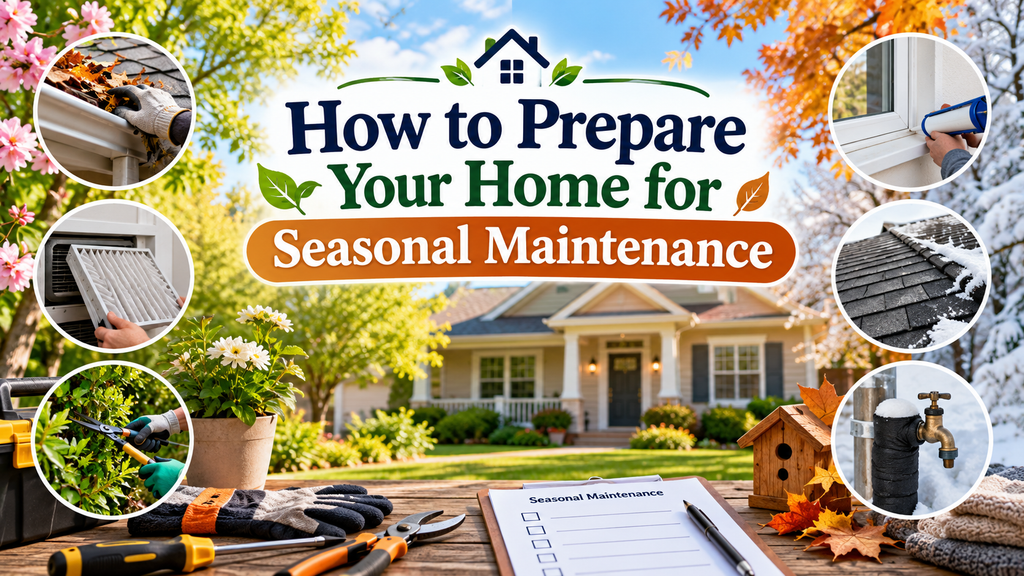
Preparing your home for seasonal maintenance does not have to be complicated. A simple checklist, a few basic tools, and regular inspection can make a major difference. The main goal is to keep the house safe, comfortable, clean, and efficient throughout the year.
In this guide, I will explain practical ways to prepare your home for seasonal maintenance and how to create a routine that is easy to follow.
Understand Why Seasonal Home Maintenance Matters
Every season creates different conditions around a house.
During warmer months, heat, dust, sunlight, insects, and heavy rain may affect different parts of the property. During colder months, moisture, wind, lower temperatures, and reduced ventilation can create other problems.
Seasonal home maintenance helps you notice these changes before they cause serious damage.
For example, a small roof leak may not seem important during dry weather. However, once heavy rain begins, that small opening can allow water to enter the ceiling or walls.
In the same way, a damaged window seal may allow cool or warm air to escape, making the home less comfortable and increasing energy use.
Regular maintenance helps protect both the structure and the daily comfort of the home.
Create a Seasonal Home Maintenance Checklist
The easiest way to stay organized is to create a written checklist.
Divide your home into different areas such as:
Roof
Gutters and drainage
Windows
Doors
Plumbing
Electrical systems
Heating and cooling
Kitchen
Bathrooms
Outdoor areas
Garden
Walls and ceilings
Floors
Storage spaces
You do not need to inspect everything in a single day. Divide the work into smaller tasks and complete them gradually.
A checklist also helps you remember problems that need another inspection later.
For example, if you notice a small crack in an exterior wall, write it down. Check the same area again after a few weeks to see whether it has changed.
Start With a General Walk Around the Property
Before beginning detailed maintenance, walk around the outside of your home.
Look at the building from different directions.
Check for visible cracks, loose materials, damaged paint, standing water, broken paving, leaking pipes, or signs of moisture.
Pay attention to areas where rainwater collects.
Water that remains close to the foundation can eventually cause dampness or structural problems. The ground around the home should normally help direct water away from the building.
Also look at trees and plants growing close to the house. Branches touching the roof or walls may cause damage during strong wind.
A simple walk around the property can often reveal maintenance issues that are easy to miss during everyday life.
Inspect the Roof Carefully
The roof is one of the most important parts of seasonal home maintenance.
It protects the entire building from rain, sunlight, wind, and weather changes.
You do not always need to climb onto the roof yourself. In many cases, you can inspect it from the ground or from a safe upper window.
Look for missing or damaged roofing materials.
Check whether any sections appear loose or uneven.
Also inspect areas around vents, pipes, or other roof openings because water can sometimes enter around these points.
Inside the home, examine ceilings for water stains or discoloration. These signs may indicate a roof leak.
Roof problems are usually easier and less expensive to repair when they are discovered early.
Clean Gutters and Drainage Areas
Rainwater needs a clear path away from the house.
Leaves, dirt, small branches, and other debris can block gutters and drainage channels.
When gutters become blocked, water may overflow and run down exterior walls. This can damage paint, create damp areas, and sometimes affect the foundation.
Check gutters before periods of heavy rain.
Remove visible debris and make sure downpipes are not blocked.
Water should flow freely toward a safe drainage area.
It is also useful to inspect outdoor drains and remove leaves or soil that may stop water from entering properly.
Good drainage is one of the simplest ways to protect a home from seasonal water damage.
Check Doors and Windows
Doors and windows affect security, ventilation, comfort, and energy efficiency.
Seasonal changes can cause materials to expand, contract, or become loose.
Open and close each window.
Make sure it moves smoothly and locks correctly.
Check the edges for damaged seals or visible gaps.
Do the same with exterior doors.
A small gap around a door or window can allow dust, insects, rainwater, hot air, or cold air to enter the home.
Weather stripping can sometimes become worn over time and may need replacement.
Also clean window tracks because dirt can make sliding windows difficult to operate.
Inspect Heating and Cooling Systems
Heating and cooling equipment often works harder during extreme weather.
Before the season changes, inspect your system so that you do not discover a problem when you need it most.
Clean or replace air filters according to the manufacturer’s guidance.
Dirty filters can reduce airflow and make the system work harder.
Check vents and make sure furniture, curtains, or other objects are not blocking them.
If you use air conditioners, clean accessible dust around the indoor unit and check the outdoor unit for leaves or debris.
For larger servicing tasks, professional inspection may be more appropriate.
Regular care can help heating and cooling equipment operate more efficiently.
Look for Plumbing Problems
Small plumbing leaks can waste water and create moisture problems.
Check under sinks, around toilets, near water heaters, and around exposed pipes.
Look for water stains, damp cabinets, unusual smells, or small drops of water.
Turn taps on and check whether water flows normally.
Also inspect outdoor taps and pipes.
Seasonal temperature changes may affect exposed plumbing, especially in areas where the weather becomes very cold.
A small leak may seem harmless, but constant moisture can damage wood, paint, flooring, and cabinets.
Check Bathrooms for Moisture
Bathrooms naturally contain a lot of moisture.
This makes them important areas for regular seasonal inspection.
Look around the shower, bathtub, toilet, sink, and walls.
Check seals around wet areas.
If sealant is cracked or missing, water may enter small gaps and damage surfaces underneath.
Clean ventilation fans if they collect dust.
Good ventilation helps reduce excess moisture after bathing.
Also look at corners and ceilings for discoloration that may suggest poor ventilation or moisture buildup.
Keeping bathrooms dry and well ventilated makes routine cleaning easier and protects the surfaces.
Inspect the Kitchen
The kitchen contains water, heat, electrical appliances, and storage areas, so it deserves regular attention.
Check under the sink for leaks.
Inspect the refrigerator area for dust buildup.
Clean accessible appliance surfaces and keep ventilation openings clear.
Check cabinet hinges and handles.
Look at sealant around the sink and countertop.
It is also useful to organize pantry items at the beginning of each season.
Remove expired food and wipe shelves before placing items back.
A well maintained kitchen is easier to clean and more pleasant to use every day.
Check Smoke and Safety Devices
Seasonal maintenance is a good reminder to inspect safety equipment.
Test smoke alarms according to the manufacturer’s instructions.
If your home has carbon monoxide alarms, test those as well.
Check whether batteries need replacement.
Keep emergency lights, flashlights, and basic safety supplies in an accessible place.
It is also wise to look at fire extinguishers and make sure they are stored where they can be reached easily.
Safety devices are easy to forget because they may remain unused for long periods. Regular seasonal checks help ensure they are ready when needed.
Examine Walls and Ceilings
Walk through each room and look carefully at walls and ceilings.
Watch for:
Cracks
Peeling paint
Water stains
Damp patches
Discoloration
Loose plaster
Small cracks are sometimes caused by normal building movement, but any crack that becomes larger should receive closer attention.
Water stains are especially important because they may indicate a leak from the roof, plumbing, or another source.
Finding the source early can prevent more extensive repairs.
Inspect Floors and Carpets
Different seasons can bring dust, moisture, mud, and other dirt into the home.
Inspect hard floors for loose tiles, damaged joints, scratches, or areas where water may be collecting.
Check carpets and rugs for moisture or unusual odors.
Clean under furniture when possible because dust can build up in areas that are not included in everyday cleaning.
You can also move smaller rugs and check the floor underneath.
Regular floor inspection helps maintain both appearance and durability.
Prepare Outdoor Areas
Patios, balconies, pathways, fences, and outdoor furniture are exposed to weather throughout the year.
Before a new season begins, clean these areas and inspect them for damage.
Check outdoor furniture for loose parts.
Look at fences and gates.
Make sure pathways are stable and free from obstacles.
If outdoor furniture will not be used during part of the year, clean it before storing or covering it.
Removing dirt before storage helps protect the surface and makes the furniture easier to use later.
Trim Plants Near the House
Plants can improve the appearance of a home, but uncontrolled growth can create maintenance problems.
Trim branches that touch windows, walls, roofs, or electrical lines.
Keep large plants from blocking drains.
Remove dead branches before periods of strong wind or rain.
Also check climbing plants because they can sometimes grow into roof edges, gutters, or small wall openings.
Good garden maintenance can protect the building while keeping the outdoor space tidy.
Organize Storage Areas
Season changes are a good time to inspect storage spaces.
Look through cupboards, garages, sheds, and utility areas.
Remove items that are no longer needed.
Place seasonal equipment where it can be reached easily.
For example, during rainy months, keep umbrellas, waterproof covers, and cleaning supplies in accessible locations.
During colder periods, blankets or heating items may need to be moved closer to living areas.
Good organization makes seasonal maintenance faster because you know where everything is stored.
Check Exterior Paint and Surfaces
Paint does more than improve appearance.
Exterior coatings can also help protect surfaces from moisture and sunlight.
Inspect painted walls, doors, window frames, and metal surfaces.
Look for peeling, cracking, or fading.
Small damaged areas can sometimes be repaired before they spread.
Metal surfaces should also be checked for early signs of rust.
Regular inspection helps extend the life of exterior materials.
Clean Areas That Are Often Forgotten
Seasonal maintenance is a good opportunity to clean areas that are not part of daily routines.
These may include:
Ceiling fans
Light fixtures
Air vents
Door frames
Behind large furniture
Top shelves
Window tracks
Exhaust fans
Storage corners
Outdoor light fittings
Dust can collect slowly in these places without being noticed.
Cleaning them a few times each year helps keep the entire home feeling fresh.
Prepare for Rainy Weather
If a rainy season is approaching, focus on drainage and waterproofing.
Clean gutters and drains.
Check the roof.
Inspect windows and doors.
Look for cracks in exterior walls.
Move objects away from areas where water often collects.
Check outdoor electrical connections and make sure they are properly protected.
It is much easier to prepare before heavy rainfall than to solve water problems during a storm.
Prepare for Hot Weather
Before hot weather begins, focus on cooling and sun protection.
Clean air conditioner filters.
Check fans.
Inspect curtains or blinds.
Make sure windows close properly when cooling systems are operating.
Outdoor plants may need a different watering routine during very hot periods.
You can also inspect areas receiving strong sunlight because paint, plastic, wood, and fabrics may fade or weaken over time.
Simple preparation can make the home more comfortable during warm months.
Prepare for Cooler Weather
Before temperatures drop, inspect doors and windows for gaps.
Check heating equipment.
Prepare warmer bedding.
Look at exposed outdoor pipes if freezing temperatures are possible in your region.
Clean heating vents and make sure stored items are not blocking airflow.
You can also inspect roof drainage before winter rain or snow.
Preparing early means you are less likely to deal with maintenance problems during uncomfortable weather.
Keep Basic Maintenance Tools Ready
You do not need a large collection of equipment for simple seasonal home maintenance.
A basic kit may include:
Screwdrivers
Pliers
Adjustable wrench
Flashlight
Cleaning cloths
Soft brush
Bucket
Protective gloves
Small ladder suitable for household use
Measuring tape
Basic sealant tools
Store your tools in one organized place.
Before starting maintenance, inspect them and replace any damaged items.
Using the correct tool makes small household tasks safer and easier.
Know When to Call a Professional
Homeowners can manage many simple maintenance tasks, but some work requires professional knowledge.
Electrical repairs, major plumbing problems, roof work, gas systems, structural cracks, and complex heating or cooling repairs may require a qualified professional.
Trying to repair something without the correct skills can make the problem worse or create a safety risk.
A good maintenance routine includes knowing which tasks you can handle yourself and which ones should be inspected by an expert.
Keep a Simple Maintenance Record
It is useful to write down important maintenance work.
Record the date and what you checked or repaired.
For example:
Air conditioner filter cleaned
Kitchen tap inspected
Roof checked after heavy rain
Bathroom sealant replaced
Gutters cleaned
Outdoor gate repaired
These notes help you remember when a task was last completed.
They can also reveal patterns.
If the same problem appears repeatedly, it may need a more permanent solution.
Make Seasonal Maintenance a Habit
The biggest benefit comes from consistency.
You do not need to spend an entire weekend checking every corner of your home.
Instead, spread maintenance across several days.
You could inspect outdoor areas one day, bathrooms the next day, and heating or cooling equipment later in the week.
Short maintenance sessions are easier to manage and less tiring.
Once seasonal checks become part of your routine, they begin to feel like normal household care instead of a major project.
Final Thoughts
Preparing your home for seasonal maintenance is mainly about paying attention before small problems become larger ones.
Start with a simple inspection of the property. Check the roof, gutters, doors, windows, plumbing, heating and cooling systems, bathrooms, kitchen, walls, floors, and outdoor areas.
Adjust your maintenance routine according to the weather expected in the coming season.
Keep basic tools organized, clean overlooked areas, record important repairs, and seek professional help when a task is beyond normal household maintenance.
A well planned seasonal home maintenance routine can help protect the property, improve comfort, reduce unexpected repairs, and keep the home looking cared for throughout the year.
The most effective approach is not to wait until something fails. Regular inspection and small preventive tasks are usually easier to manage than emergency repairs. With a practical checklist and a little time each season, maintaining a home becomes much simpler and more predictable.


